



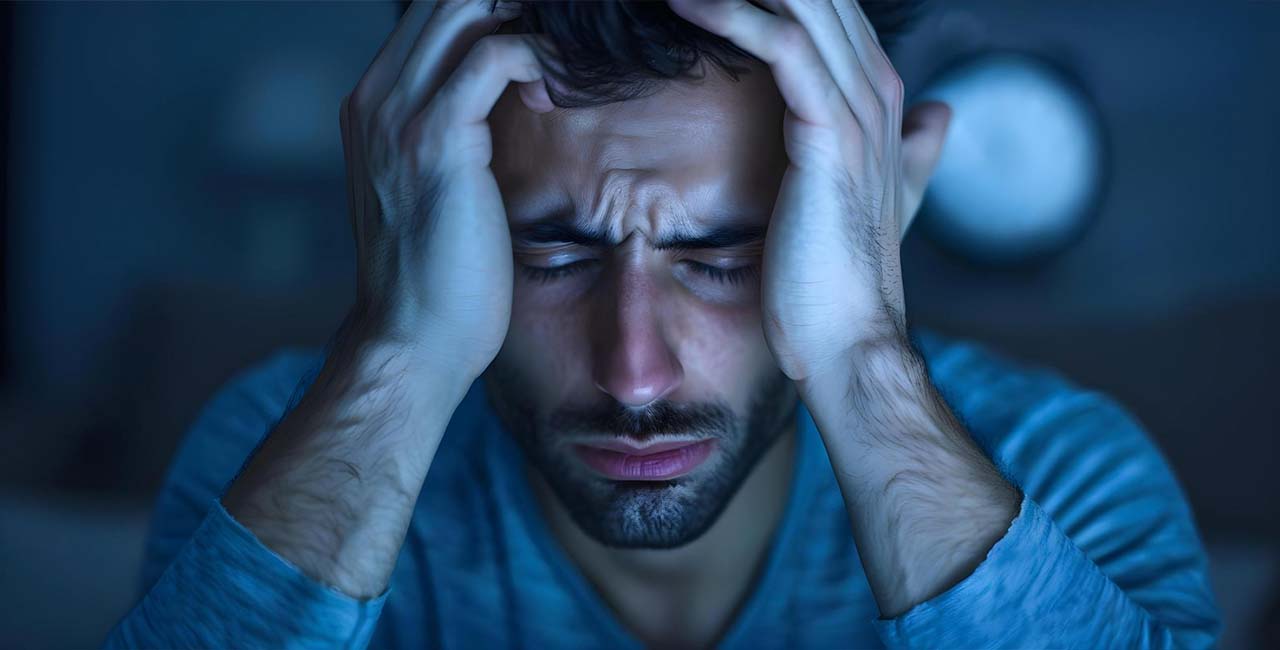
Anxiety is a common mental health issue that affects millions of people worldwide. Whether it’s triggered by stress, past experiences, or simply the pressures of everyday life, anxiety can make it challenging to enjoy life and function effectively. While medication and therapy can be essential parts of treatment, lifestyle changes play a crucial role in managing anxiety. In this blog post, we’ll explore several lifestyle changes that can help you cope with anxiety and improve your overall mental well-being.
1. Exercise Regularly
Physical activity is one of the most effective natural remedies for anxiety. When you engage in regular exercise, your body releases endorphins, which are natural chemicals that help reduce stress and improve mood. Exercise also helps regulate the body’s stress response, reduces levels of cortisol (the stress hormone), and promotes a sense of relaxation.
Research shows that even light activities, such as walking, swimming, or cycling, can reduce symptoms of anxiety. High-intensity exercises like running or aerobics may be particularly effective in releasing pent-up tension and clearing your mind. Aim for at least 30 minutes of moderate activity most days of the week, whether that’s walking, yoga, or dancing—anything that gets you moving can help.
2. Practice Mindfulness and Meditation
Mindfulness involves focusing on the present moment and accepting it without judgment. This practice has been shown to reduce stress, improve emotional regulation, and lessen anxiety. Mindfulness meditation is a form of mindfulness where you sit in a quiet space, focus on your breath, and let go of distracting thoughts.
Studies have found that mindfulness and meditation can rewire the brain, helping to lower activity in the areas responsible for anxiety and enhancing emotional resilience. Even just a few minutes of daily practice can lead to significant improvements in your mental state. Apps like Headspace and Calm offer guided meditation sessions, making it easier to get started.
3. Prioritize Sleep
Quality sleep is essential for emotional well-being. Chronic sleep deprivation can exacerbate anxiety by affecting the brain’s ability to regulate emotions and respond to stress. When you’re well-rested, you’re better equipped to handle the challenges that life throws your way, and your body is better able to process and manage anxiety.
To improve your sleep, establish a consistent bedtime routine, aim for 7-9 hours of sleep each night, and create a restful environment. Keep your bedroom cool, dark, and quiet. Avoid caffeine, alcohol, and electronics (like phones or computers) before bedtime, as they can interfere with your sleep quality. If anxiety is keeping you awake, try incorporating relaxation techniques like deep breathing or progressive muscle relaxation before bed.
4. Eat a Balanced Diet
What you eat has a direct impact on how you feel emotionally. A well-balanced diet that includes plenty of fruits, vegetables, lean proteins, whole grains, and healthy fats can provide your body with the nutrients it needs to regulate mood and stress levels. Certain foods are particularly beneficial for anxiety management:
- Omega-3 fatty acids, found in fish like salmon, walnuts, and flaxseeds, can help reduce anxiety symptoms.
- Magnesium-rich foods, like leafy greens, almonds, and avocados, have a calming effect on the nervous system.
- Complex carbohydrates, such as whole grains, help stabilize blood sugar levels and prevent mood swings that can trigger anxiety.
In contrast, too much caffeine, sugar, and processed foods can heighten anxiety and disrupt your mood. Aim to eat a balanced diet to support both your physical and mental health.
5. Limit Caffeine and Alcohol
Caffeine and alcohol are both substances that can influence anxiety levels, but in different ways. Caffeine is a stimulant that increases heart rate and may lead to feelings of jitteriness or nervousness. It can also interfere with your ability to sleep, further contributing to anxiety. If you find that caffeine exacerbates your anxiety, consider reducing your intake or switching to decaffeinated beverages.
Alcohol, on the other hand, is a depressant that can initially calm anxiety but ultimately worsens it. While alcohol may help you relax in the short term, it can disrupt your sleep, impair judgment, and increase the likelihood of anxiety or panic attacks once the effects wear off. Limiting or avoiding alcohol can help reduce these negative consequences.
6. Establish Healthy Social Connections
Social support is essential for managing anxiety. Having a strong network of friends, family, or support groups can provide emotional reassurance, reduce feelings of isolation, and help you process anxious thoughts. Isolation can worsen anxiety, so make an effort to maintain regular contact with loved ones, even if it’s through short conversations or social activities.
If you find it difficult to talk about your anxiety, remember that seeking support doesn’t always have to mean discussing your mental health directly. Spending time with loved ones, engaging in shared activities, and enjoying lighthearted moments can be just as beneficial in relieving anxiety.
7. Practice Deep Breathing and Relaxation Techniques
When anxiety strikes, one of the quickest ways to calm your body and mind is through deep breathing. By slowing down your breathing and focusing on your inhale and exhale, you can activate your body’s parasympathetic nervous system, which helps you relax. Deep breathing exercises such as diaphragmatic breathing (breathing deeply into your diaphragm) can lower heart rate, reduce stress, and alleviate feelings of anxiety.
Additionally, progressive muscle relaxation (PMR) can also help. This technique involves systematically tensing and relaxing different muscle groups in your body, which can release physical tension and promote relaxation. Taking a few minutes to focus on your breath or practice PMR can quickly bring you back to a state of calm when anxiety feels overwhelming.
8. Set Boundaries and Manage Stress
Overwhelm is a significant trigger for anxiety, and setting healthy boundaries is one way to manage the stress that can contribute to anxious feelings. Learning to say no when you’re feeling overburdened or prioritizing your mental health can help prevent burnout. It’s also important to pace yourself and break tasks into smaller, more manageable steps. This reduces the pressure to accomplish everything at once and allows you to focus on one thing at a time.
Time management strategies, such as making lists or using a planner, can also help you stay organized and reduce the stress of uncertainty. Recognizing when you need to take a break and allowing yourself moments of rest are key to preventing anxiety from taking over.
9. Engage in Meaningful Hobbies or Activities
Doing activities you enjoy can be a great way to distract yourself from anxiety and boost your mood. Whether it’s painting, gardening, reading, or playing a musical instrument, engaging in hobbies can help reduce stress and promote relaxation. It’s important to make time for these activities, especially when life feels busy or overwhelming. Creative expression or simply engaging in something that brings joy can significantly reduce anxiety levels.
10. Consider Therapy or Counseling
While lifestyle changes can significantly help manage anxiety, therapy is often a vital part of treatment. Cognitive-behavioral therapy (CBT) is one of the most effective forms of therapy for anxiety. It helps individuals identify and change negative thought patterns that contribute to anxiety. Therapy can help you understand the underlying causes of your anxiety, develop coping strategies, and gain tools to manage it in the long term.In addition to CBT, other forms of therapy, such as mindfulness-based stress reduction (MBSR), can teach you to focus on the present moment and reduce feelings of anxiousness.
Conclusion
Coping with anxiety is not an easy process, but implementing certain lifestyle changes can go a long way in managing your symptoms and improving your overall well-being. Regular exercise, mindfulness, healthy eating, and proper sleep all play crucial roles in reducing anxiety. By incorporating these habits into your daily life, you can build resilience against anxiety and regain a sense of control. Remember that everyone’s journey with anxiety is unique, and it may take time to find the right combination of strategies that work best for you. However, with patience, consistency, and support, you can make significant strides in managing your anxiety and living a healthier, more fulfilling life.







No comment