





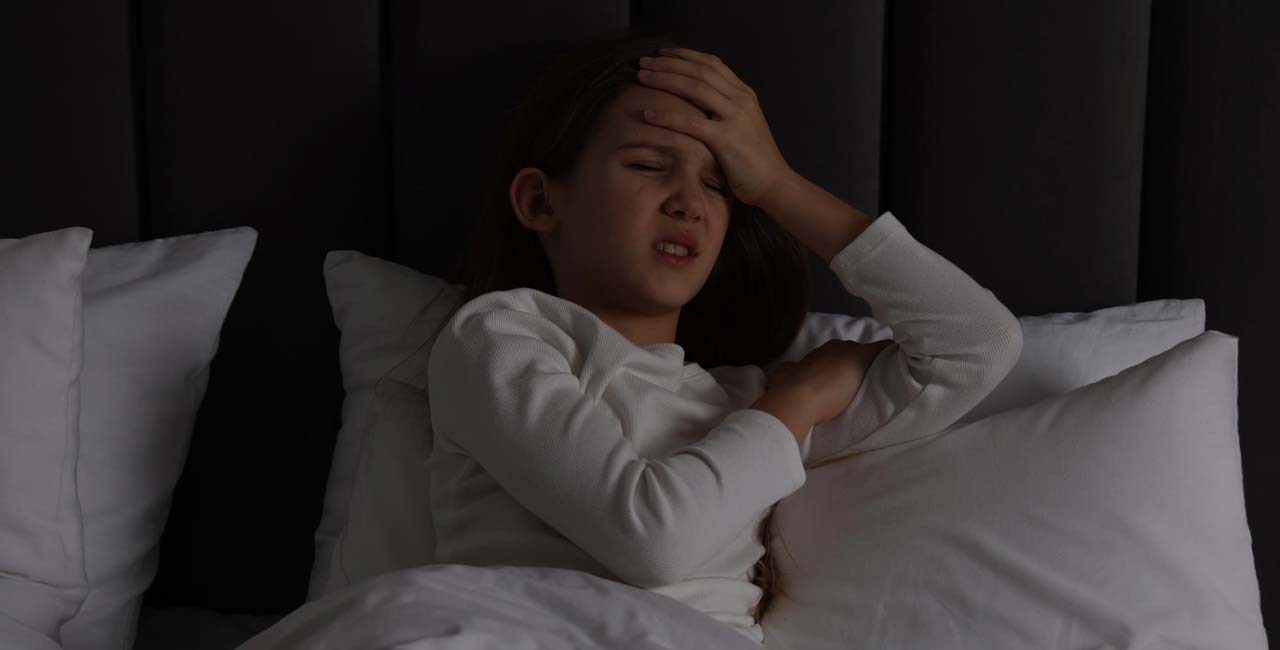
Anxiety and insomnia are two common conditions that often go hand in hand, creating a challenging cycle. Anxiety can make it difficult to fall asleep or stay asleep, while poor sleep can worsen anxiety, leading to a frustrating and exhausting loop. In this blog post, we’ll explore the connection between anxiety and insomnia, how they influence each other, and strategies for breaking the cycle to achieve better sleep and improved mental health.
Understanding Anxiety and Insomnia
Before delving into their relationship, it’s important to understand what anxiety and insomnia are:
- Anxiety: Anxiety is the body’s natural response to stress, but it can become overwhelming and persistent for some. Conditions like generalized anxiety disorder (GAD), panic disorder, and social anxiety disorder can cause excessive worry, physical symptoms like a racing heart, and a constant feeling of unease.
- Insomnia: Insomnia is a sleep disorder characterized by difficulty falling asleep, staying asleep, or waking up too early and not being able to fall back asleep. It can be acute (short-term) or chronic (long-term) and leads to fatigue, mood disturbances, and impaired cognitive function. Insomnia can be primary, meaning not caused by other conditions, or secondary, resulting from anxiety, depression, or other issues.
The Link Between Anxiety and Insomnia
Anxiety and insomnia are often deeply intertwined, with one exacerbating the other. Here’s how they’re connected:
1. Racing Thoughts and Sleep Disruption
Anxiety often leads to racing thoughts, which are particularly troublesome at night. Worries, fears, and “what-if” scenarios can overwhelm your mind, making it hard to relax and fall asleep. This mental activity prevents the brain from shutting down and switching into a restful state. For people with anxiety, thoughts about work, personal problems, or health issues may intensify at night, making it even harder to fall asleep. The more you worry about not being able to sleep, the more difficult it becomes to do so.
2. Heightened Physiological Arousal
Anxiety activates the fight-or-flight response, which triggers an increase in stress hormones such as cortisol and adrenaline. These hormones raise heart rate, blood pressure, and muscle tension—physiological changes that prepare the body for action. However, they also make it difficult to relax enough to sleep. Even when you’re lying in bed, your body remains in a state of heightened alertness, preventing the deep relaxation needed to fall asleep.
3. Sleep Disturbances as a Symptom of Anxiety
Chronic anxiety often leads to sleep onset insomnia (difficulty falling asleep) and sleep maintenance insomnia (waking up during the night and struggling to get back to sleep). Anxiety symptoms such as restlessness, muscle tension, and hyperarousal can disrupt sleep. In some cases, anxiety can also cause nightmares or night sweats, adding to the difficulty in getting a restful night’s sleep. Over time, sleep disturbances become a significant part of the anxiety experience, creating a pattern of poor sleep and heightened anxiety.
4. Insomnia Worsens Anxiety
The relationship between anxiety and insomnia is cyclical. While anxiety makes it difficult to sleep, poor sleep worsens anxiety. Sleep deprivation impairs the brain’s ability to regulate emotions and manage stress. When a person doesn’t get enough restorative sleep, they may be more reactive to stressors, leading to increased anxiety the following day. The frustration of not being able to sleep further adds to the anxiety, making the cycle even harder to break.
5. Increased Sensitivity to Stress
Chronic insomnia makes the body more sensitive to stress. When someone is sleep-deprived, their ability to handle stress is compromised. They may become more easily overwhelmed by challenges, which can trigger anxiety. The lack of quality sleep increases emotional reactivity, making the person more prone to feelings of anxiety in response to everyday stressors.
Breaking the Cycle: Strategies for Managing Anxiety and Insomnia
Although anxiety and insomnia can create a difficult cycle, there are several effective strategies to manage both and break the pattern. Here are some approaches that can help:
1. Cognitive Behavioral Therapy for Insomnia (CBT-I)
Cognitive-behavioral therapy for insomnia (CBT-I) is a structured, evidence-based treatment designed to help people with insomnia identify and change behaviors and thoughts that interfere with sleep. CBT-I has been shown to be effective in treating insomnia, particularly when it’s tied to anxiety. It includes strategies such as:
- Learning how to manage racing thoughts at bedtime
- Establishing a consistent sleep routine and improving sleep hygiene
- Limiting naps during the day
- Developing relaxation techniques
CBT-I focuses on improving sleep patterns while also addressing the root causes of insomnia.
2. Relaxation Techniques
Relaxation exercises such as progressive muscle relaxation, deep breathing, or guided meditation can help calm the mind and reduce physical tension caused by anxiety. These techniques activate the parasympathetic nervous system, promoting relaxation and preparing the body for sleep. Practicing deep breathing or mindfulness before bed can reduce anxiety and prepare you for rest. Apps like Headspace or Calm offer guided relaxation and meditation exercises that can be used specifically to improve sleep.
3. Sleep Hygiene
Good sleep hygiene is essential for managing both insomnia and anxiety. Sleep hygiene refers to habits and environmental factors that promote healthy sleep. These include:
- Going to bed and waking up at the same time every day, even on weekends
- Creating a relaxing bedtime routine, such as reading or taking a warm bath
- Making the bedroom comfortable by keeping it cool, dark, and quiet
- Limiting screen time (phones, computers, TV) at least an hour before bed to reduce blue light exposure
- Avoiding caffeine, nicotine, and alcohol, especially in the evening
Consistent good sleep hygiene helps set the body’s internal clock and promotes restful, uninterrupted sleep.
4. Mindfulness and Meditation
Mindfulness practices can help manage anxiety by teaching individuals how to stay present in the moment, rather than getting caught up in worrying thoughts. Mindfulness-based stress reduction (MBSR) is a structured program that combines mindfulness meditation and yoga to reduce stress and anxiety. Studies have shown that mindfulness meditation can lower anxiety and improve sleep quality. Practices like body scans, focused breathing, or mindful listening can help people disconnect from the worries that prevent them from sleeping.
5. Medication (Short-Term Use)
In some cases, medication may be necessary to manage anxiety and insomnia, especially when symptoms are severe or persistent. Benzodiazepines or non-benzodiazepine sleep aids (Z-drugs) may help people fall asleep and stay asleep in the short term. However, these medications are typically prescribed for short-term use due to the risk of dependence and tolerance. Selective serotonin reuptake inhibitors (SSRIs), such as sertraline (Zoloft) or escitalopram (Lexapro), are often prescribed for anxiety and may also improve sleep over time, especially when anxiety is the primary driver of insomnia.
For people with depression-related insomnia, antidepressants like trazodone (Desyrel) are often used off-label to promote sleep.
Conclusion
The connection between anxiety and insomnia is both complex and cyclical. Anxiety can lead to racing thoughts, muscle tension, and disrupted sleep, while poor sleep can exacerbate anxiety by impairing emotional regulation and increasing sensitivity to stress. Breaking the cycle of anxiety and insomnia requires a multifaceted approach, including cognitive-behavioral therapy (CBT-I), relaxation techniques, improving sleep hygiene, and practicing mindfulness.
In some cases, medication may be necessary to manage symptoms, but it should be used as part of a broader treatment plan. If you find yourself struggling with both anxiety and insomnia, seeking help from a healthcare provider is essential. With the right approach, it’s possible to improve both your sleep and mental health, allowing you to break free from the cycle of anxiety and insomnia.







No comment