





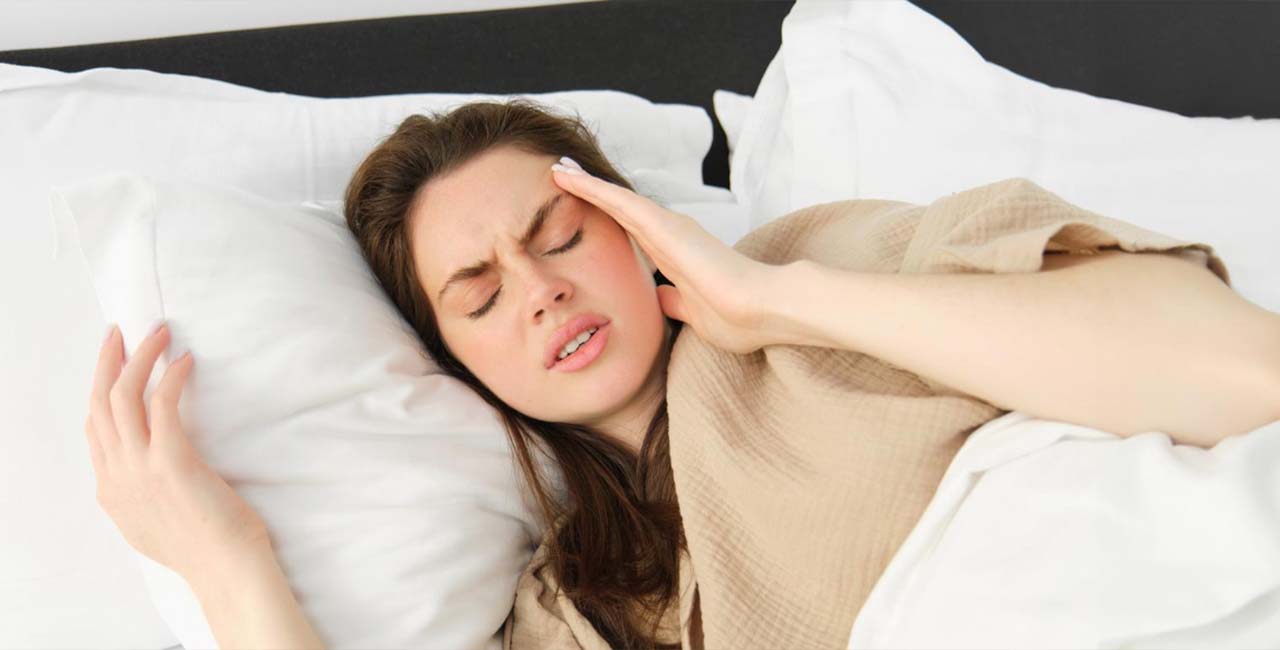
The relationship between anxiety and sleep is a complex and often cyclical one. Anxiety can significantly impact the quality of your sleep, and poor sleep, in turn, can exacerbate feelings of anxiety. This vicious cycle can be difficult to break, but understanding how anxiety and sleep are intertwined can help you find effective strategies for managing both. In this blog post, we’ll explore how anxiety affects sleep and how a lack of proper sleep can increase anxiety, along with tips on how to break the cycle.
How Anxiety Affects Sleep
When you experience anxiety, your body’s stress response is activated, which can interfere with your ability to sleep. This response is often referred to as the “fight or flight” reaction, where your body releases stress hormones like cortisol and adrenaline to prepare you for potential danger. While this is a normal and helpful reaction in moments of acute stress, it becomes problematic when it occurs regularly due to chronic anxiety. Here’s how anxiety impacts your ability to fall and stay asleep:
1. Racing Thoughts and Restlessness
One of the primary ways anxiety interferes with sleep is through racing thoughts. When you’re feeling anxious, your mind can become flooded with worries about the future, past events, or various stresses in your life. These intrusive thoughts can make it extremely difficult to relax enough to fall asleep. You might find yourself replaying scenarios in your head or worrying about things that may not even happen, leading to restlessness and insomnia.
2. Increased Heart Rate and Physical Tension
Anxiety often leads to physical symptoms, such as an increased heart rate, shallow breathing, and muscle tension. These physical reactions are part of the body’s natural stress response, but they can also prevent relaxation at night. The heightened heart rate and shallow breathing associated with anxiety can make it feel difficult to fall into a peaceful sleep, and muscle tension can cause discomfort, making it harder to relax your body before bed.
3. Difficulty Falling Asleep and Staying Asleep
When your mind is active with anxious thoughts, it can be difficult to fall asleep initially. Even if you do manage to drift off, anxiety can cause you to wake up frequently throughout the night. Nighttime awakenings might be triggered by heightened worry or the body’s physical response to anxiety. Once awake, it can be difficult to return to sleep, especially if your anxiety is particularly persistent.
4. Sleep Disorders Triggered by Anxiety
In some cases, chronic anxiety can lead to specific sleep disorders, such as insomnia or sleep apnea. People with insomnia may have difficulty falling asleep or staying asleep due to constant worry and stress. Anxiety-related insomnia can also cause disruptions to your circadian rhythm, the body’s natural sleep-wake cycle, making it even harder to fall asleep at a regular time each night. For others, anxiety may exacerbate conditions like sleep apnea, where interrupted breathing during sleep can cause frequent awakenings and poor-quality rest.
How Poor Sleep Increases Anxiety
The relationship between anxiety and sleep is bidirectional, meaning that poor sleep can also contribute to an increase in anxiety. When you don’t get enough restorative sleep, your body and mind struggle to function at their best, which can intensify anxiety. Here’s how insufficient sleep can heighten feelings of anxiety:
1. Heightened Stress Response
Sleep deprivation leads to an overactive stress response. When you don’t get enough sleep, your body produces more of the stress hormone cortisol, which can increase feelings of anxiety. This can lead to a cycle where the lack of sleep increases cortisol levels, which in turn heightens anxiety, making it even harder to sleep. Over time, this cycle can contribute to chronic stress and anxiety.
2. Impaired Cognitive Function and Decision-Making
Lack of sleep impairs cognitive function, making it harder to think clearly, make decisions, and regulate emotions. When you’re sleep-deprived, your brain struggles to process information and handle stressful situations. As a result, minor issues can feel more overwhelming, which increases feelings of anxiety. You may find yourself worrying excessively over things that normally wouldn’t bother you, contributing to a sense of emotional instability.
3. Increased Sensitivity to Stress
Sleep deprivation can make you more sensitive to stress. When you’re well-rested, your body is better equipped to handle stress, and you can manage anxiety more effectively. However, when you’re sleep-deprived, the threshold for stress is lowered, meaning you might react more intensely to everyday challenges. This can amplify feelings of anxiety, especially when stress accumulates over time.
4. Negative Impact on Mental Health
Chronic sleep deprivation has been linked to a higher risk of developing mental health disorders, including depression and generalized anxiety disorder (GAD). Sleep and mental health are closely connected, and a lack of sleep can significantly worsen symptoms of anxiety. Not only does sleep deprivation cause emotional distress, but it also reduces your ability to cope with stressful situations, leading to a greater sense of helplessness and heightened anxiety.
Breaking the Cycle: Tips for Managing Anxiety and Improving Sleep
While the connection between anxiety and sleep can feel like a never-ending cycle, there are effective strategies you can implement to break the cycle and improve both your anxiety and sleep quality. Here are some practical tips:
1. Create a Relaxing Bedtime Routine
Establishing a calming pre-sleep routine can help signal to your body that it’s time to wind down. Engaging in relaxing activities like reading, taking a warm bath, or practicing relaxation exercises can ease the transition from a busy day into a restful night. Incorporating mindfulness practices, such as deep breathing or gentle stretches, can also help calm your mind and reduce anxiety before bed.
2. Limit Stimulants and Screen Time Before Bed
Stimulants such as caffeine, nicotine, or alcohol can interfere with your sleep and exacerbate anxiety. It’s best to avoid these substances, particularly in the hours leading up to bedtime. Additionally, exposure to the blue light emitted by phones, tablets, and computers can disrupt your circadian rhythm, making it harder to fall asleep. Try limiting screen time at least 30 minutes before bed to help your body relax and prepare for sleep.
3. Practice Relaxation Techniques
Relaxation techniques, such as progressive muscle relaxation, deep breathing, or guided meditation, can help calm your nervous system and reduce anxiety. These practices are effective for slowing the heart rate, relaxing muscles, and preparing the mind for sleep. Apps like Headspace or Calm offer guided sessions that can help you unwind before bed.
4. Focus on Sleep Hygiene
Good sleep hygiene can go a long way in improving sleep quality. This includes creating a comfortable sleep environment, keeping your bedroom cool and dark, and maintaining a consistent sleep schedule. Aim for 7-9 hours of sleep each night, and try to go to bed and wake up at the same time every day, even on weekends.
5. Seek Professional Help
If anxiety is severely affecting your sleep and daily life, seeking professional help may be necessary. Cognitive-behavioral therapy (CBT) for insomnia or anxiety is an evidence-based treatment that can help you manage both issues. A therapist can work with you to identify negative thought patterns and teach you coping strategies for dealing with anxiety, improving sleep hygiene, and managing stress.
Conclusion
The relationship between anxiety and sleep is deeply interconnected. Anxiety can prevent restful sleep, while poor sleep can make anxiety worse, creating a vicious cycle. However, by understanding how these two factors influence each other, you can take proactive steps to improve both your sleep and mental well-being. Creating a soothing bedtime routine, practicing relaxation techniques, and focusing on good sleep hygiene can help break the cycle and promote restful nights. Additionally, seeking professional help through therapy or counseling can provide the support you need to manage both anxiety and sleep challenges effectively. By taking these steps, you can regain control over your sleep and reduce the impact of anxiety on your life.







No comment